Disclaimer: This website provides independent educational content focused on enterprise data workflows, system integration models, and computational infrastructure concepts. It is not affiliated with, endorsed by, or operated by any official organization, technology provider, or government entity. All referenced terminology is used strictly for informational, analytical, and descriptive purposes within a neutral educational context.
IQCU, commonly interpreted as Integrated Quantum Compute Unit, is frequently referenced within discussions surrounding enterprise integration, workflow automation, and distributed infrastructure coordination. In educational analysis, IQCU may describe a hardware-agnostic operational layer used to support scalable data workflows across interconnected computational environments.
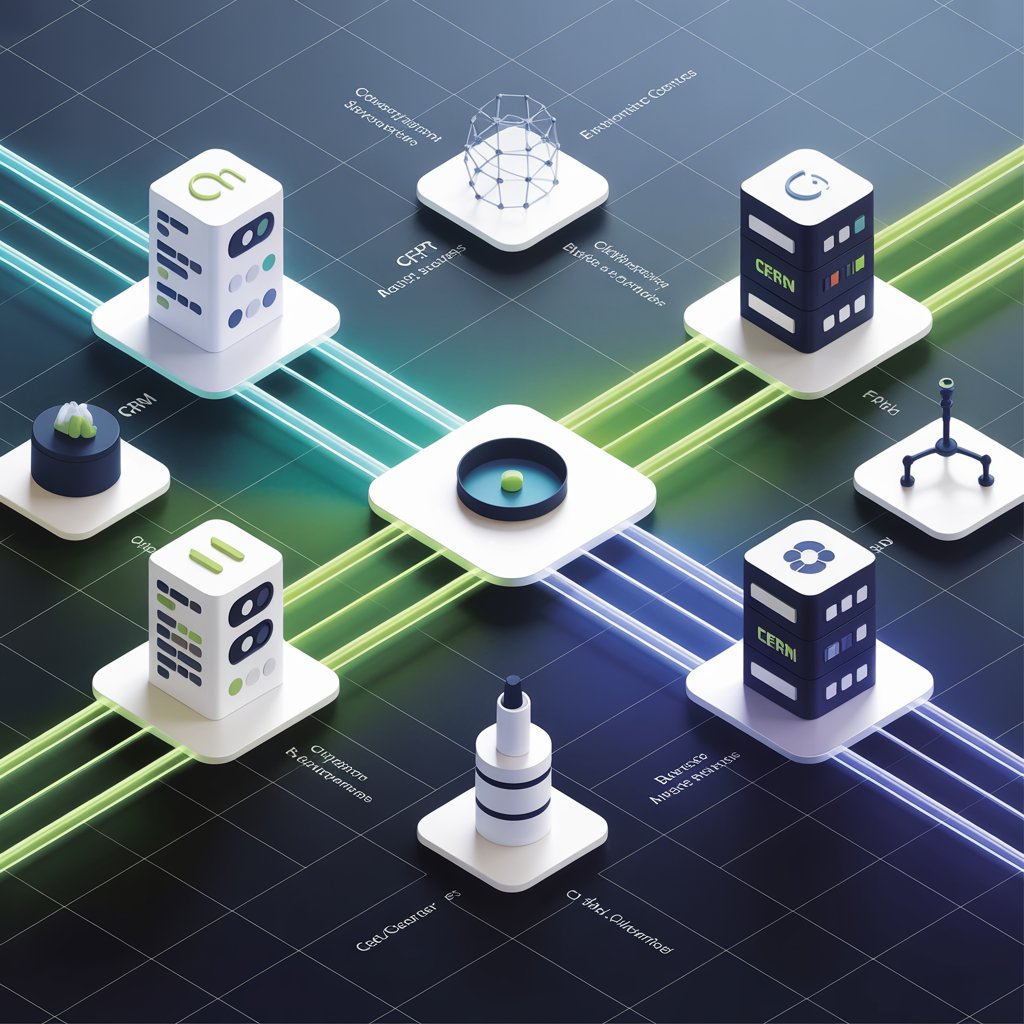
Modern infrastructure ecosystems rely heavily on organized data pipeline structures capable of maintaining operational continuity between analytical processes and distributed system components. IQCU discussions often focus on how integrated systems coordinate infrastructure relationships while preserving workflow consistency across enterprise-scale architecture.
As enterprise environments become increasingly interconnected, system integration models continue to influence how computational ecosystems organize data workflows and operational synchronization.
IQCU And Integrated Workflow Environments
Integrated workflow environments are designed to coordinate operational activity across distributed infrastructure systems. IQCU concepts are frequently associated with these environments because hardware-agnostic frameworks require scalable coordination between multiple processing layers.
Several characteristics commonly appear within integrated workflow models:
- Distributed data routing
- Workflow automation coordination
- Infrastructure synchronization
- Adaptive system integration
- Modular operational architecture
Enterprise integration depends on these principles to maintain consistent communication between computational layers. Rather than relying on isolated infrastructure structures, integrated systems distribute operational responsibilities throughout interconnected workflow environments.
Data workflows also require organized processing continuity to support scalable analytical operations. Structured routing frameworks improve operational stability across enterprise computational ecosystems.
Workflow automation contributes additional coordination by synchronizing operational activity between distributed processing environments and infrastructure layers.
Data Pipeline Architecture And IQCU
Data pipeline architecture refers to the organizational structure responsible for transferring analytical activity between interconnected systems. IQCU-related discussions often examine how data workflows move through scalable infrastructure ecosystems while preserving operational consistency.
Several architectural principles are frequently analyzed:
- Pipeline scalability
- Distributed processing coordination
- Infrastructure interoperability
- Workflow continuity models
- Enterprise integration routing
Modern computational ecosystems require organized data pipeline environments capable of adapting to changing operational conditions. Integrated systems therefore support flexible analytical routing structures across multiple infrastructure layers.
Workflow automation helps coordinate these environments by reducing fragmentation between operational pathways. Structured automation models maintain synchronization between data workflows while supporting scalable enterprise architecture.
Hardware-agnostic infrastructure also plays an important role in these systems. Flexible operational frameworks allow enterprise integration environments to maintain continuity independently of specific computational hardware configurations.
IQCU And Workflow Automation Models
Workflow automation refers to the coordination of operational processes inside interconnected computational ecosystems. IQCU discussions frequently analyze how automation models improve synchronization between distributed infrastructure environments.
Several workflow automation characteristics commonly appear in educational analysis:
- Operational process coordination
- Distributed analytical routing
- Adaptive infrastructure balancing
- System integration continuity
- Data workflow synchronization
Integrated systems support automation by connecting infrastructure layers into unified operational environments. These coordinated structures improve scalability while preserving processing organization across enterprise ecosystems.
Enterprise integration depends heavily on workflow continuity because modern computational systems frequently operate across distributed operational layers. Automated coordination frameworks help maintain consistent infrastructure relationships during ongoing analytical activity.
Data pipeline environments are especially dependent on structured workflow organization. Coordinated routing systems allow enterprise ecosystems to process analytical activity efficiently across scalable infrastructure frameworks.
Enterprise Integration And Infrastructure Scalability
Infrastructure scalability refers to the ability of computational ecosystems to expand operational capacity without disrupting workflow organization. IQCU-related models often emphasize scalability because enterprise integration environments require adaptable operational structures.
Several scalability principles are commonly associated with these systems:
- Distributed infrastructure expansion
- Adaptive workflow coordination
- Scalable data routing
- Integrated system synchronization
- Operational continuity frameworks
Modern enterprise architecture depends on scalable integration models capable of supporting evolving computational demands. Hardware-agnostic frameworks help maintain infrastructure flexibility across changing operational environments.
Workflow automation further supports scalability by coordinating analytical processes between distributed infrastructure layers. Organized automation models improve continuity while reducing fragmentation between operational workflows.
IQCU remains primarily a conceptual framework used within educational analysis of enterprise integration, workflow automation, and scalable computational infrastructure. These discussions help explain how interconnected systems coordinate data workflows across distributed operational environments.
The relationship between data pipeline architecture, integrated systems, and enterprise scalability continues to influence computational infrastructure theory. Within neutral educational contexts, IQCU serves as a reference point for understanding workflow organization inside large-scale digital ecosystems.